Quick Summary
If you’re researching MYOB support, you’ve likely come across two terms: MYOB consultant and MYOB Acumatica partner. While they sound similar, they serve very different purposes.
A MYOB consultant is often suited to short-term support, payroll help, or basic system configuration. A certified MYOB Acumatica partner, on the other hand, specialises in ERP implementation, which brings together finance, operations, payroll, reporting, and long-term system design.
This article explains the difference clearly, outlines when each option makes sense, and helps you decide which approach best supports your organisation’s growth.
MYOB Consultant vs MYOB Acumatica Partner: What’s the Difference?
As businesses grow, their systems naturally become more complex. What once worked as basic accounting software may no longer provide the visibility, control, or integration needed across departments.
At this stage, many organisations search for a MYOB consultant, only to later realise they actually need a MYOB Acumatica partner. Understanding the difference early can save time, cost, and unnecessary system rework.
What Is a MYOB Consultant?

A MYOB consultant typically provides support services related to MYOB products such as AccountRight, EXO, or payroll solutions. Their work is often task-based or reactive.
Common responsibilities may include:
Assisting with MYOB setup or configuration
Providing payroll or compliance support
Troubleshooting errors or system issues
Helping with reporting or reconciliations
Offering short-term or ad-hoc assistance
MYOB consultants are often well-suited to small businesses or organisations that need help maintaining an existing system rather than redesigning how the business operates.
In many cases, their focus is on keeping the system running, not on redesigning processes across the organisation.
What Is a Certified MYOB Acumatica Partner?
A certified MYOB Acumatica partner is an organisation officially accredited by MYOB to implement and support the Acumatica ERP platform. But more importantly, their role goes far beyond just setting up software. While certification matters, the real value lies in how a partner helps align the system with the way a business actually operates.
Think of a partner like a guide who helps redesign how your business systems work together.
Here’s what that actually means in practice.
Designing ERP architecture aligned with business processes
A certified partner begins by understanding how information moves through your organisation, from operations to finance to management.
Instead of forcing your business to “fit” the software, a partner designs the system around how your business already operates.
In many organisations, finance tracks costs one way, operations tracks jobs another way, and management relies on spreadsheets to reconcile everything at month-end. The result is duplicated effort, delayed visibility, and different teams working from different numbers.
A partner steps back and looks at the bigger picture:
How does work really flow from sales → delivery → invoicing?
Where do handovers between teams tend to break down?
What information does each team actually need to do their job well?
From there, the ERP is designed so information flows naturally between teams without re-entering data, maintaining parallel spreadsheets, or working around the system.
Implementing MYOB Acumatica across finance, operations, payroll, and reporting
Most problems happen when systems are set up in silos. A certified partner ensures all major parts of the business are connected from day one.
Once the system is designed around how the business works, the next step is implementing it across all the teams that rely on the same information.
In many organisations, payroll knows labour costs, operations track job progress separately, and finance only sees the full picture once the month is closed. By the time reports are reviewed, decisions are already delayed.
A certified MYOB Acumatica partner focuses on connecting these areas from the start:
How should labour costs flow into job or project costing?
When should invoices reflect work completed, not just time passed?
What does management need to see while work is still in progress?
This avoids the “everyone has a different number” problem.
By implementing MYOB Acumatica across finance, operations, payroll, and reporting as one system, teams work from the same data in real time. This removes the need to reconcile information later and allows issues to be identified while there’s still time to act.
Connecting Acumatica With the Systems You Already Use
Most businesses don’t operate on a single platform. Expenses, purchasing, reporting, and payments are often handled in separate tools, which creates extra work behind the scenes.
Without proper integration, teams end up exporting files, re-entering data, or fixing errors after the fact — usually under time pressure.
A partner ensures MYOB Acumatica works smoothly with the tools you already rely on.
Instead of manual exports and double entry, a partner steps back and considers:
Which systems actually need to talk to each other?
Where is information being entered more than once?
What data needs to be accurate every time, without manual checks?
From there, MYOB Acumatica is integrated with the systems you already rely on, so information moves automatically and consistently. The goal is not more software, but fewer manual steps and more confidence in the numbers.
The goal is less admin, fewer mistakes, and more trust in the data.
Helping Teams Adopt the System With Confidence
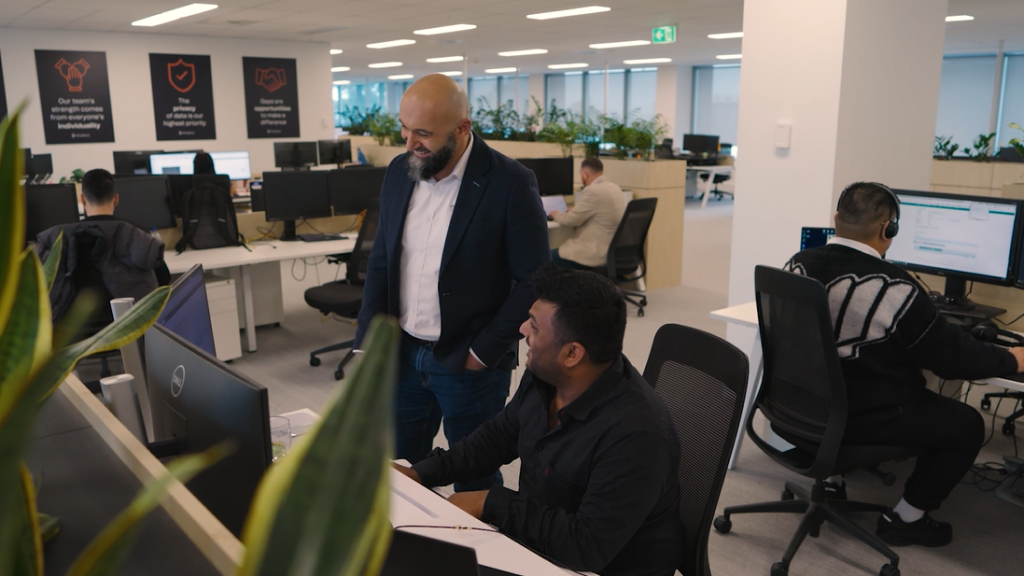
Even a well-designed ERP won’t deliver value if people don’t trust or use it properly.
In many organisations, a new system goes live, but staff continue using spreadsheets “just in case,” or avoid certain features because they’re unsure how changes affect their role. Over time, these workarounds quietly bring old problems back.
A certified partner focuses on how real people adopt the system, not just whether it technically works. Instead of assuming usage will follow automatically, they step back and ask:
Where are people hesitant to rely on the system?
Which processes feel unfamiliar or disruptive?
What concerns are causing teams to fall back on old habits?
Training is then delivered using real, day-to-day workflows rather than generic examples. Changes are explained in context, not just how something works, but why it’s changing and what problem it replaces.
By addressing uncertainty early and building confidence gradually, resistance is reduced and adoption happens faster. The result is a system teams trust and use, rather than one they work around.
Supporting Ongoing Improvement as the Business Grows
ERP systems shouldn’t be “set and forget.” As the business evolves, the system needs to evolve with it.
New services, additional staff, new locations, or changes in reporting requirements can quickly expose gaps if the system isn’t reviewed regularly. A partner stays involved as your business evolves.
A certified partner continues the conversation:
What has changed in the business since go-live?
Are current workflows still the most efficient?
What information would help leadership make better decisions now?
Rather than waiting for problems to surface, the system is refined over time. This ensures MYOB Acumatica continues to support growth instead of becoming a constraint.
Why Certification Makes a Difference
Certified MYOB Acumatica partners undergo ongoing training and are required to meet MYOB’s standards for ERP delivery. This means their approach is based on proven methods, not guesswork or shortcuts.
This means:
They stay up to date with platform changes
They follow proven implementation practices
They’re accountable to MYOB’s partner requirements
Most importantly, their focus isn’t just on the software itself, it’s on how the system supports the way your business actually operates.
When a MYOB Consultant May Be the Right Fit
A MYOB consultant can be a good option when:
Your business has relatively simple accounting needs
You’re not planning major system changes
You need payroll or compliance support
You require short-term assistance or troubleshooting
Your operations are largely finance-centric
If your systems already work well and you simply need help maintaining them, a consultant may be sufficient.
When a Certified MYOB Acumatica Partner Is the Better Choice
A certified MYOB Acumatica partner is often the right fit when:
Your business is moving to an ERP platform
You operate across multiple departments or locations
Project or job costing is critical to profitability
You need real-time visibility across finance and operations
Your current systems no longer scale with growth
At this point, the question often becomes:
Is the issue really the software—or is it how the systems are connected?
ERP projects affect how people work every day. A partner-led approach helps ensure the system supports the business rather than forcing the business to adapt around the system.
Why ERP Implementation Requires a Partner-Led Approach
ERP implementation is not just a technical exercise. It involves:
Redesigning workflows
Aligning finance and operations
Migrating accurate data
Training teams across roles
Managing change and adoption
Without a structured approach, organisations risk ending up with:
Misconfigured systems
Poor user adoption
Inaccurate reporting
Costly rework
A certified MYOB Acumatica partner brings experience, methodology, and accountability to reduce these risks.
If your leadership team had access to one reliable source of truth across finance, operations, and projects, how would that change the way decisions are made?
How to Choose the Right MYOB Acumatica Partner
When evaluating a partner, consider:
Are they certified specifically for MYOB Acumatica?
Do they have experience in your industry?
Do they follow a clear implementation methodology?
Can they explain complex concepts in practical terms?
Will they provide support beyond go-live?
The right partner should help you understand what’s involved, not just sell the software.
Where AlphaBiz Fits In
AlphaBiz is a certified MYOB Acumatica partner supporting organisations across Australia, with a strong presence in Western Australia.
We work with businesses in industries such as:
Manufacturing
Construction & project-based services
Field services
Asset-intensive operations
Non profit organization
Our focus is on delivering ERP systems that reflect how organisations actually work, providing clarity, control, and long-term value rather than short-term fixes.
Final Thoughts: Consultant or Partner?
A MYOB consultant and a MYOB Acumatica partner serve different needs.
If your goal is to maintain an existing system, a consultant may be enough.
If your goal is to implement an ERP platform that supports growth, visibility, and operational alignment, a certified partner is often the better choice.
Understanding the difference early helps ensure your investment delivers lasting value.
Talk to a Certified MYOB Acumatica Specialist
If you’re unsure which approach is right for your organisation, a short conversation can help clarify your options, risks, and next steps.